What Does Ophthalmology Involve?
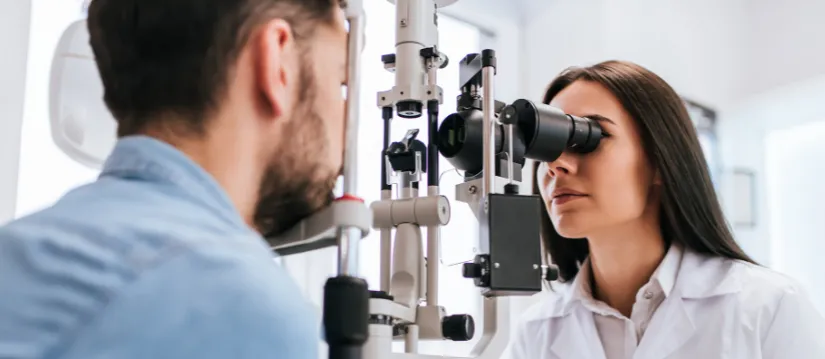
Ophthalmology is the medical specialty that focuses on the diagnosis, treatment, and prevention of diseases and disorders of the eye, eyelids, eye socket (orbit), and tear ducts. An ophthalmologist is a medical specialist who treats eye conditions using both medication and surgical procedures.
The most common ophthalmological conditions include:
Cataract
A cataract is a clouding of the eye’s natural lens, causing blurred vision, faded colors, and increased sensitivity to glare. It occurs most commonly with aging. Treatment consists of cataract surgery, during which the cloudy lens is replaced with an artificial intraocular lens.
Click here for more information
https://www.oogvereniging.nl/oogziekte/staar/
Glaucoma
Glaucoma is a condition in which the optic nerve becomes damaged, usually due to increased pressure inside the eye. The visual field gradually deteriorates, often without noticeable symptoms in the early stages. If left untreated, glaucoma can lead to blindness. Treatment focuses on lowering eye pressure (eye drops, laser treatment, or surgery).
Click here for more information
https://www.oogvereniging.nl/oogziekte/glaucoom/
Age-Related Macular Degeneration (AMD)
This condition affects the macula, the central part of the retina, leading to reduced central vision. There are two forms: dry and wet AMD. The wet form can be treated with injections into the eye.
Click here for more information
https://www.oogvereniging.nl/oogziekte/maculadegeneratie/
Diabetic Retinopathy
Damage to the blood vessels in the retina caused by diabetes. This may lead to bleeding, fluid accumulation, and eventually vision impairment. Good blood sugar control and regular eye examinations are essential.
Click here for more information
https://www.oogvereniging.nl/oogziekte/diabetische-retinopathie/
Conjunctivitis
Conjunctivitis is an inflammation of the conjunctiva, often caused by a virus, bacteria, or allergies. Symptoms include redness, irritation, and sometimes discharge or excessive tearing. In many cases it can be treated conservatively (watchful waiting, artificial tears, and/or antibiotic treatment).
Click here for more information
https://www.oogartsen.nl/hoornvlies-slijmvlies/conjunctivitis-ontsteking-infectie-bindvlies/
(Chronic) Dry Eye Syndrome and Eyelid Inflammation (Blepharitis)
These conditions occur when the tear film is insufficient or unstable. Symptoms include burning, a gritty sensation in the eyes, and fluctuating blurred vision. Treatment usually consists of artificial tears, eyelid hygiene, and eyelid massage. Sometimes a small lump may remain under the eyelid (chalazion), which can be treated with a minor surgical procedure.
Click here for more information about dry eyes
https://www.oogvereniging.nl/oogziekte/droge-ogen/
Click here for more information about eyelid inflammation
https://www.oogvereniging.nl/oogziekte/blefaritis/
Drooping or Sagging Eyelids
Sometimes the upper eyelids may begin to droop. This can be cosmetically bothersome but may also cause symptoms such as eye fatigue, a heavy sensation on the eyelids, restricted visual field (especially in the upper field of vision), headaches, frequent raising of the eyebrows, and an older or tired appearance. Both drooping eyelids and excess eyelid skin can be treated. However, eyelid surgery is not reimbursed in all cases. Reimbursement is only possible when there is a demonstrable visual field restriction (when the eyelid covers more than 50% of the pupil).
Click here for more information
https://www.oogartsen.nl/oogleden/huidteveel-bovenooglid-ooglidcorrectie/
Strabismus (Crossed Eyes) and Amblyopia (Lazy Eye)
Strabismus refers to a misalignment of the eyes, where they do not focus on the same point. This can lead to double vision or suppression of one eye, which may result in amblyopia. Treatment may include glasses, eye exercises, or surgery.
Click here for more information
https://www.oogvereniging.nl/oogziekte/scheelzien-en-lui-oog/
Retinal Tears and Retinal Detachment
The retina can tear when the gel-like substance inside the eye (the vitreous) shrinks with age and pulls on the retina. This may sometimes lead directly to a retinal detachment. This is a medical emergency and requires prompt surgical treatment. Symptoms include flashes of light, a sudden increase in floaters, and a “curtain” or shadow in the field of vision. Retinal tears can often be treated with laser therapy, while retinal detachment requires surgery.
Click here for more information
https://www.oogvereniging.nl/oogziekte/netvliesloslating/
For almost all eye conditions and diagnostic procedures, you can visit our clinic. In many cases, the first step is conservative treatment (using supportive measures and/or medication). If this does not provide sufficient improvement, surgical treatment may be considered. In some cases, referral to an academic hospital or specialized center may be necessary.
Non-Insured Care
We also offer ophthalmological services that are not covered by health insurance. This means that the treatment is not (fully) reimbursed by your insurer and requires an out-of-pocket contribution.
Examples include:
- Cosmetic eyelid surgery or eyelid procedures that do not meet insurance reimbursement criteria
- General CBR medical examinations
- Ophthalmological CBR examinations
- Premium intraocular lenses placed during cataract surgery (the cataract surgery itself is fully reimbursed)
Visiting ACIBADEM IMC
To visit our General Surgery Department, you will need a referral from your general practitioner (GP) or a medical specialist. Once you have received this referral, you can schedule an appointment by calling +31 (0)20 238 8800.
You can also request an appointment via the form on our website or by sending an email to afspraak@acibademimc.com. We will contact you within 24 hours.